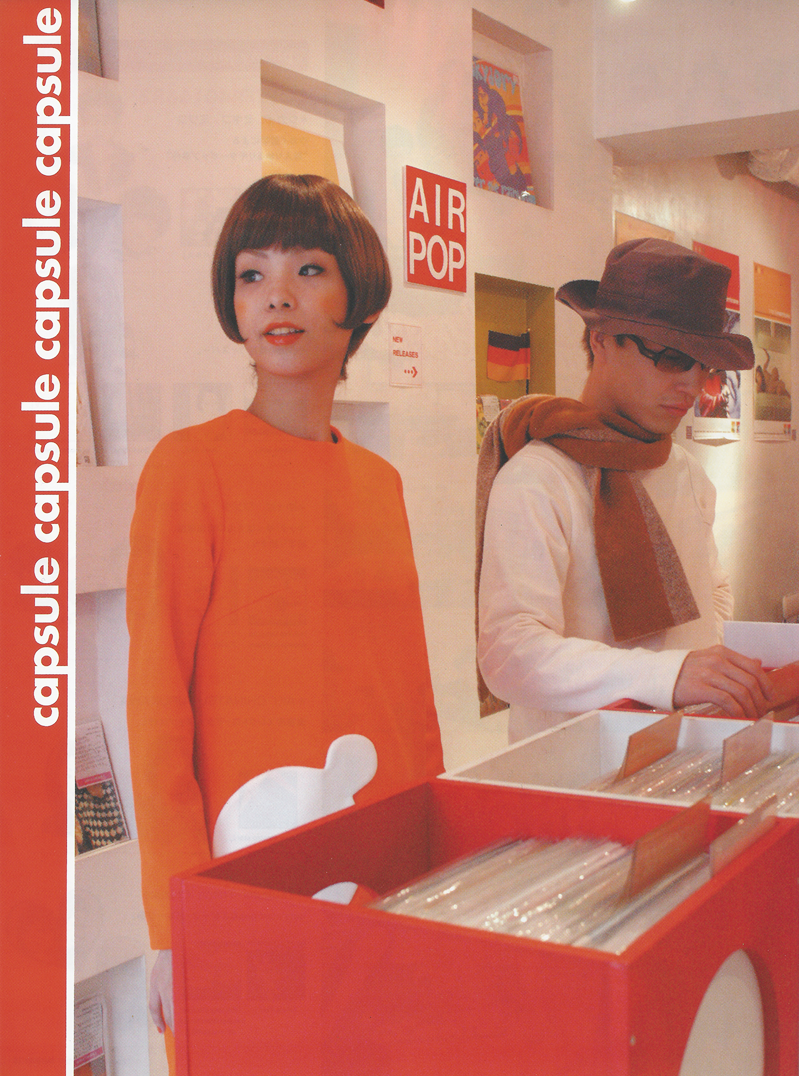
Shibuya-kei as a Model for Creative Independence
Topaz Brown
CAPSULE via Memories of Shibuya on WordPress
November 16, 2025
My connection to Shibuya-kei began with a sense of recognition rather than nostalgia. The music was stylish, clever, and self-aware — a blend of confidence and play that didn’t ask for permission. It wasn’t trying to fit into mainstream pop, and it wasn’t positioned as counterculture either. It simply built its own space. That attitude became my entry point: creativity can be expressive, fun, and intentional at the same time.
Shibuya-kei emerged in 1990s Tokyo, but its true impact has less to do with a moment in time and more to do with a philosophy of making. It pulled from French pop, bossa nova, jazz, lounge, indie, and electronic music, treating those influences not as contradictions but as opportunities. While the global music industry was focused on categorization, Shibuya-kei demonstrated what happens when artists prioritize curiosity over purity. It was proof that style becomes more compelling when it doesn’t limit its references.
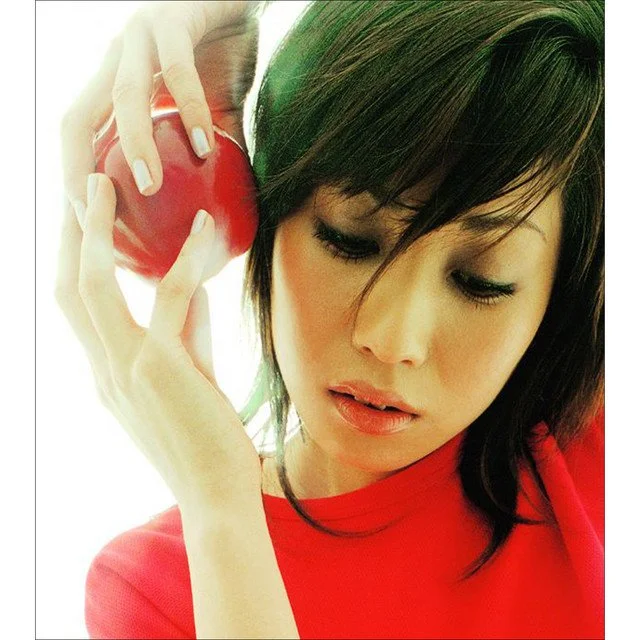
APRIL by Roundtable featuring Nino via Spotify
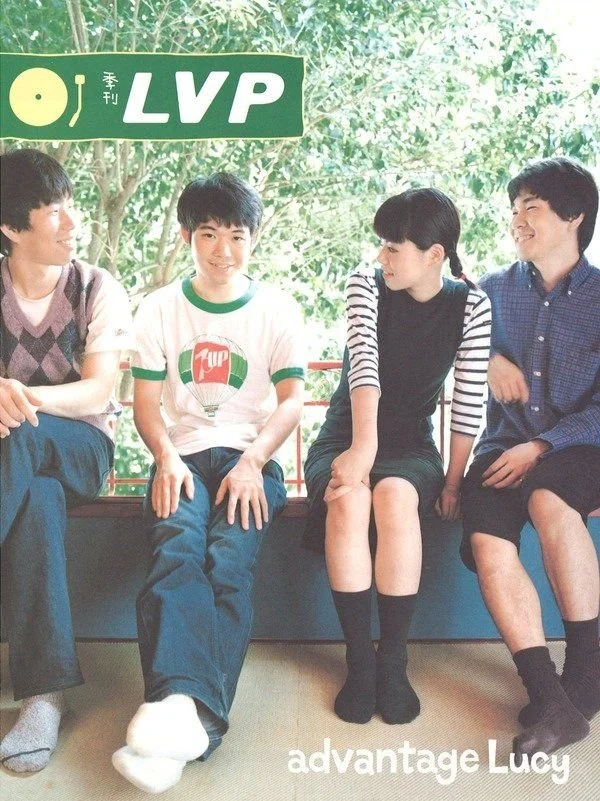
Advantage Lucy via last.fm
That perspective directly influences how I approach aesthetics and identity. Shibuya-kei embraces femininity without reducing it to softness — it allows elegance to sit next to humor, nostalgia next to futurism, polish next to playfulness. It rejects the idea that creative work has to choose a single tone or emotional register. For me, that translated into permission to create work that is both sentimental and assertive, visual and intellectual, charming and intentional.
Each artist I return to within the genre reinforces this message differently. Capsule shows that experimentation and gloss can coexist. Roundtable feat. Nino proves that romance can be deliberate rather than cliché. advantage Lucy balances sweetness with independence instead of fragility. Paris Match treats sophistication as something warm rather than exclusive. And HUS builds dreaminess that feels controlled rather than vague. Their sounds vary, but their creative worldview aligns: originality comes from selection, not isolation.
Shibuya-kei doesn’t need a comeback to remain relevant — because its impact lives in the creatives who refuse to shrink their influences to fit expectations. For fashion designers, artists, musicians, and anyone building something new, the genre offers a clear reminder: don’t choose between the aesthetics that move you. Combine them with intention. Build from them with confidence. Let the mixture itself become your signature.